
A roof leak can start long before you ever notice water inside your home. Many homeowners do not realize there is a problem until a stain appears on the ceiling or water begins dripping during a storm. By that point, moisture may have already affected insulation, wood framing, and other parts of the structure. Catching problems early is one of the best ways to avoid costly repairs.
The challenge is that roof leaks rarely announce themselves right away. Water can travel through different parts of a roofing system before becoming visible indoors. That is why understanding the warning signs matters. Professional Leak Detection helps uncover hidden issues and allows homeowners to take action before small concerns become major problems.
Why Roof Leaks Are Difficult to Identify
Many people expect a leak to appear directly below the damaged area. In reality, water often moves along roof decking, rafters, and insulation before reaching a visible spot. This movement makes it difficult for homeowners to determine where the problem began. What looks like a simple stain may be connected to damage several feet away.
Because leaks can follow unexpected paths, a trained roofing professional is often needed to locate the true source. Professional inspections focus on the entire roofing system instead of only the visible symptoms. This approach helps ensure that repairs solve the actual problem rather than covering it up temporarily.
Water Stains Should Never Be Ignored
One of the most common signs of a leak is discoloration on ceilings or walls. These stains often appear yellow, brown, or copper-colored and may grow larger after periods of rainfall. Some homeowners paint over the stain, hoping the issue has disappeared, but the moisture source usually remains active behind the surface.
A stain may seem small, but it often points to a larger concern above the ceiling. Water entering through damaged shingles, flashing, or other vulnerable areas can spread throughout the attic before becoming visible. A professional Roof leak inspection helps identify where moisture is entering and prevents additional damage from developing.
Musty Odors Can Signal Hidden Moisture
Not every leak creates a visible stain right away. In some homes, the first warning sign is a damp or musty smell that lingers indoors. These odors often develop when moisture becomes trapped inside insulation, wood framing, or enclosed attic spaces. Over time, damp conditions can encourage mold growth and other indoor air quality issues.
If certain rooms smell musty after heavy rain, your roof may be allowing moisture inside. Professional Leak Detection methods can help identify hidden moisture that would otherwise remain unnoticed. Addressing the source early protects both the structure of the home and the comfort of the people living inside it.
Damaged Shingles Often Lead to Leaks
Shingles play an important role in protecting a home from rain, wind, and changing weather conditions. When shingles crack, curl, loosen, or disappear completely, the roof becomes more vulnerable to water intrusion. Storm damage is one of the most common reasons shingles become damaged without homeowners realizing it.
Even a single missing shingle can create an opening where water enters the roofing system. Once moisture reaches the underlayment or roof deck, damage can spread quickly. Timely Roof Repair helps restore protection and prevents water from reaching other parts of the structure.
Granule Loss Is a Sign of Roof Aging
As asphalt shingles age, they gradually lose the protective granules that shield them from sunlight and weather exposure. These granules often collect inside gutters and around downspouts. While some granule loss is normal, excessive amounts may indicate that the roof is approaching the end of its useful life.
Without adequate granule protection, shingles become more susceptible to cracking and deterioration. This wear increases the risk of leaks and water penetration. A roofing professional can assess the condition of the roof and recommend the most appropriate next steps before major problems develop.
Sagging Areas Require Immediate Attention
A roof should maintain a consistent and even appearance across its surface. If any section appears to sag or dip, it may indicate that moisture has weakened the materials beneath. Water damage can affect roof decking and supporting structures, reducing their ability to carry weight safely.
Sagging sections should never be dismissed as normal aging. They often point to ongoing moisture issues that require prompt evaluation. Professional Roof damage repair addresses both the visible symptoms and the underlying causes, helping restore the roof’s strength and reliability.
Flashing Failures Are a Common Leak Source
Flashing is designed to create a watertight seal around areas where the roof meets other structures. Chimneys, skylights, dormers, and roof-to-wall intersections all rely on properly installed flashing to keep water out. Over time, flashing can loosen, corrode, or become damaged by weather conditions.
When flashing fails, water can enter beneath surrounding roofing components and travel into the home. These leaks often remain hidden until interior damage becomes visible. Regular inspections help identify flashing problems before they result in expensive repairs or widespread moisture intrusion.
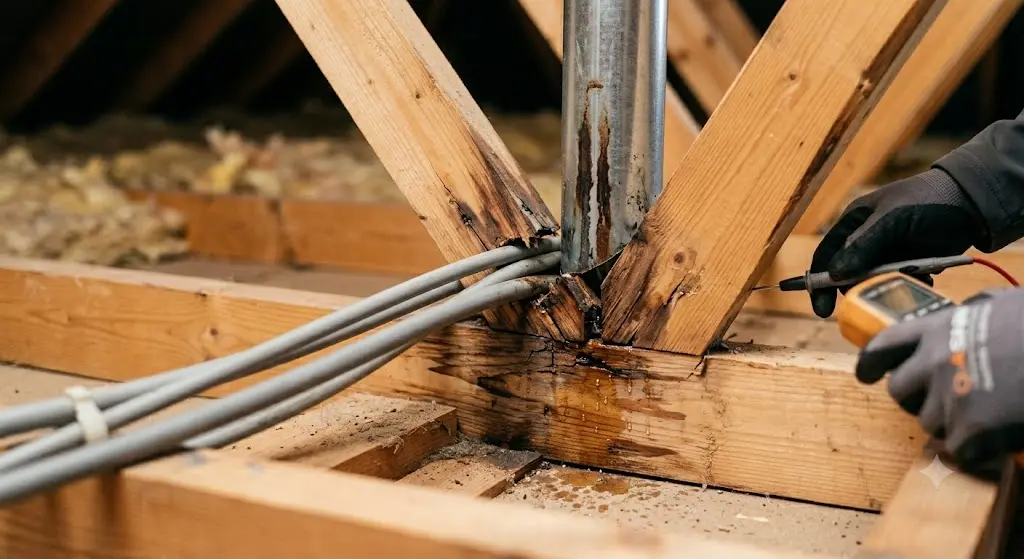
Roof Penetrations Create Vulnerable Areas
Every roofing system contains openings that allow pipes, vents, and mechanical equipment to pass through the roof. These openings are known as Roof penetrations and require special sealing components to prevent water entry. Exposure to sunlight, temperature changes, and weather can cause these protective seals to wear down over time.
Once seals begin to deteriorate, even small gaps can allow moisture into the roofing system. Because these areas are easy to overlook, many homeowners remain unaware of developing problems. Professional inspections focus on these critical locations to ensure they continue providing reliable protection.
Roof Valleys Handle Large Amounts of Water
Roof valleys are the channels where two roof slopes meet. During rainfall, these areas direct significant amounts of water toward gutters and drainage systems. Because they handle heavy water flow, valleys experience more wear than many other parts of a roof.
If materials within a valley become damaged or deteriorated, water may begin working beneath the roofing surface. Leaks originating in valleys can spread quickly because of the large volume of water involved. Early detection and maintenance help prevent extensive damage and preserve the performance of the roofing system.
How Professional Leak Detection Helps Homeowners
Finding the source of a roof leak is not always straightforward. Water can travel through multiple layers of roofing materials before becoming visible inside the home. Professional Leak Detection focuses on locating the exact point of entry rather than simply addressing the visible damage.
Experienced roofing contractors understand how water behaves within a roofing system. They evaluate shingles, flashing, ventilation components, and structural areas to determine the true cause of the leak. This process allows repairs to be completed accurately and reduces the risk of recurring problems.
Modern Inspection Methods Improve Accuracy
Today’s roofing professionals use detailed inspection techniques to uncover hidden issues. Visual assessments are often combined with moisture detection methods and attic evaluations. These tools help reveal damage that may not be visible during a simple exterior inspection.
A thorough evaluation provides homeowners with a clear understanding of their roof’s condition. Instead of guessing where repairs are needed, contractors can identify specific problem areas and recommend solutions based on actual findings. This approach saves time and prevents unnecessary work.
The Importance of Quality Repairs
Once the source of a leak has been identified, proper repairs become essential. Temporary fixes may stop water for a short period, but they rarely address the underlying issue. Long-lasting repairs focus on restoring the integrity of the roofing system and preventing future leaks.
Professional Leak repair services are designed to solve the problem completely. Whether the issue involves damaged shingles, deteriorated flashing, or worn seals around roof features, targeted repairs help ensure reliable protection. Investing in quality workmanship often prevents additional expenses later.
Roofing Materials Affect Leak Risks
Different Roofing materials respond differently to age, weather, and environmental conditions. Asphalt shingles, metal panels, and other roofing products each have unique strengths and maintenance requirements. Understanding how materials age helps homeowners make informed decisions about roof care.
Regular inspections are important regardless of the material installed on the home. Every roofing system experiences wear over time. Identifying weaknesses early helps extend service life and reduces the likelihood of unexpected leaks during severe weather conditions.
Local Weather Plays a Major Role
Changing weather patterns place constant stress on residential roofing systems. Strong winds can loosen shingles, heavy rain can expose vulnerable areas, and winter conditions can create ice-related concerns. These seasonal challenges make ongoing maintenance especially important for homeowners.
Arnett Roofing & Siding understands how local weather affects Residential Roofing systems. Years of experience have provided valuable insight into the types of roofing issues commonly faced by homeowners in the region. This knowledge helps ensure effective inspections and dependable repair solutions.
Protecting Your Home Starts with Early Action
Roof leaks rarely improve on their own. The longer moisture remains inside a roofing system, the greater the risk of structural damage, mold growth, and costly repairs. Addressing warning signs early is one of the smartest investments a homeowner can make.
Whether you notice a stain, detect a musty odor, or suspect storm damage, scheduling a professional inspection is the right next step. Early action helps preserve the condition of your home and prevents minor concerns from turning into major restoration projects.
Conclusion
If you suspect a roof leak, do not wait for visible damage to spread throughout your home. Arnett Roofing & Siding provides professional inspections, dependable Roof Repair solutions, and trusted Leak repair services designed to protect your property for years to come.
Their experienced team understands how to identify hidden moisture problems, evaluate roofing systems, and recommend effective solutions. Contact Arnett Roofing & Siding today to schedule an inspection and take the first step toward protecting your home from costly water damage.
FAQs
What are the earliest signs of a roof leak?
Water stains, damp odors, peeling paint, and attic moisture are often among the first signs homeowners notice.
How often should a roof be inspected for leaks?
Most roofing professionals recommend a yearly inspection and an additional inspection after severe storms.
Can a small leak cause major damage?
Yes. Even a minor leak can damage insulation, wood framing, drywall, and other structural components over time.
Why are roof leaks difficult to locate?
Water often travels away from the entry point before becoming visible, making the source harder to identify.
Does professional leak detection save money?
Yes. Identifying problems early helps prevent larger repairs and reduces the risk of extensive water damage.